Better Tools Won’t Save You. Better Execution Will.
Real estate has no shortage of tools. There are CRMs built to automate follow-up, AI platforms designed to generate content, scheduling tools that promise efficiency, and market data systems that put more information at your fingertips than ever before. On the surface, it looks like the industry has finally solved the productivity problem. It looks like success should be easier to create, easier to scale, and easier to sustain. But that is not what is happening. Many real estate professionals still feel stuck. Pipelines remain inconsistent. Follow-up slips. Conversations lose momentum. Opportunities fade before they turn into business. And in many cases, the problem is not a lack of tools. The problem is a lack of execution. That is the uncomfortable truth. A better tool can support the work. It can organize the work. It can speed up the work. But it cannot do the work that actually drives results. In real estate, growth still comes down to consistent action, strong communication, disciplined follow-up, and the ability to lead conversations with clarity and confidence. That is why better tools will not save a business that lacks execution. Better execution will.
The Real Problem Is Not Access
It is easy to believe that the next tool is the missing piece. A better CRM can feel like progress. A cleaner workflow can feel like momentum. A new AI platform can feel like an edge. A more polished system can create the appearance of advancement. But real estate has never rewarded access alone. It rewards the people who know how to turn access into action. A database means very little without consistent follow-up. Automation means very little without meaningful communication. Content means very little without trust, timing, and relevance. Market knowledge means very little if it cannot be explained clearly to a client who needs guidance. In other words, tools can support performance, but they cannot replace performance. That is where many professionals lose ground. They keep adjusting systems instead of improving execution. They keep searching for better platforms instead of strengthening daily habits. They keep refining behind the scenes while the real work of building relationships, creating momentum, and guiding clients gets delayed.
The Illusion of Productivity in Real Estate
One of the biggest traps in real estate is looking productive without actually producing business. There are countless ways to stay busy in this industry. A day can easily disappear into updating a CRM, testing a new AI prompt, refining email templates, reorganizing lead categories, studying platforms, or reviewing market data. None of those things is inherently wrong. In fact, many of them can be useful. The problem begins when preparation starts replacing performance. Real estate is still a business built on repeated action. It grows through conversations, follow-up, trust, and timing. That means there is a major difference between supporting the business and moving the business forward. One looks organized. The other creates results. This is where better execution becomes the real separator. Execution means making the call that would be easier to delay. It means following up again when silence makes hesitation feel reasonable. It means staying consistent when results are not immediate. It means showing up prepared enough to guide a client with certainty instead of vague opinions. It means doing the work long after the excitement of a new tool wears off. That is not always glamorous, but it is what creates traction.
Why AI Will Amplify Strength or Expose Weakness
Artificial intelligence has become one of the biggest conversations in real estate, and for good reason. It can accelerate content creation, reduce admin time, improve organization, and support efficiency across multiple areas of the business. But AI does not remove the need for execution. It magnifies what is already there.
If messaging is weak, AI can produce weaker messaging. If communication is unclear, AI can help spread that confusion faster. If the strategy lacks depth, automation will not suddenly create better judgment. Technology can scale output, but it does not automatically improve substance. That is why AI is not the answer by itself. It is a multiplier. When a real estate professional already has clarity, market awareness, confidence, and a disciplined process, technology becomes extremely valuable. It creates leverage. It creates speed. It creates more room for the human work that still matters most.
That work includes:
- stronger client conversations
- more consistent follow-up
- clearer market guidance
- better relationship-building
- more disciplined daily execution
Those are still the actions that move business forward.
What Better Execution Looks Like in Real Estate
Better execution is not about doing everything. It is about doing the right things consistently. In real estate, that often looks simple from the outside, but simplicity should not be confused with ease. The fundamentals remain demanding because they require repetition, discipline, and presence. Better execution shows up in the professional who follows through, stays sharp, and refuses to confuse motion with progress. It looks like prospecting even when the mood is not there. It looks like following up without needing perfect conditions. It looks like being able to explain market conditions clearly, instead of hiding behind broad statements. It looks like leading a conversation instead of hoping the client leads it. It looks like showing up prepared enough to create trust without forcing it. This is where real estate businesses are built. Not in the tool itself, but in how the professional uses the time, structure, and support that the tool provides. A CRM can remind someone to follow up, but it cannot create conviction. AI can help draft content, but it cannot replace local understanding or human trust. Data can inform strategy, but it cannot deliver leadership during uncertainty. That part still belongs to the person.
Real Estate Still Rewards Human Skill
No matter how advanced the systems become, real estate remains a human business. People do not just choose information. They choose confidence. They choose clarity. They choose professionals who know how to communicate, guide, interpret, and lead. They choose the person who feels prepared, present, and trustworthy when decisions carry financial and emotional weight. That is why execution matters far beyond activity alone. Execution shapes how conversations feel. It shapes how trust is built. It shapes whether follow-up comes across as intentional or forgettable. It shapes whether someone appears steady in uncertainty or shaky under pressure. These are not small details. In real estate, they are often the difference between movement and missed opportunity. The professional who understands the market but cannot communicate it clearly will struggle. The professional who has the right tools but does not use them consistently will struggle. The professional who keeps waiting for a better system while neglecting the fundamentals will remain frustrated. Meanwhile, the one who executes will keep gaining ground.
The Next Level Is Not More Complexity
There is a common assumption that growth requires something more advanced, more technical, or more complex. But in many cases, growth in real estate comes from doing basic things better and doing them longer than others are willing to. That means better conversations. Better follow-up. Better structure. Better clarity. Better consistency. It also means less hiding behind endless preparation. There comes a point when adding another tool stops being progress and starts becoming avoidance. There comes a point when more learning becomes a way to delay applying what is already known. There comes a point when being busy becomes a convenient substitute for being effective. That is the line many professionals need to recognize. Because the business rarely changes when the tool changes. The business changes when execution changes.
Conclusion
Better tools can absolutely improve a real estate business. They can save time, reduce friction, improve organization, and create more efficiency. Used well, they are valuable. Used strategically, they can strengthen performance. But they are not the advantage by themselves. The advantage is still found in execution.
It is found in the professional who follows up when others go quiet. It is found in the one who communicates clearly when the market feels uncertain. It is found in the one who stays disciplined when the work becomes repetitive. It is found in the one who uses tools to support action, not replace it. That is what creates trust. That is what builds a pipeline. That is what turns activity into growth. In real estate, better tools may help. But better execution is what wins.
Join Our COmmunity
Behind every great achievement, there's a community.
Read our story and become part of it.

Our Offices
Private Offices • Dedicated Desks • Meeting Rooms

Our Leadership
The Team Dedicated To Your Success

Why EXP?
Learn why #TeamFast choose to partner with eXp Realty.
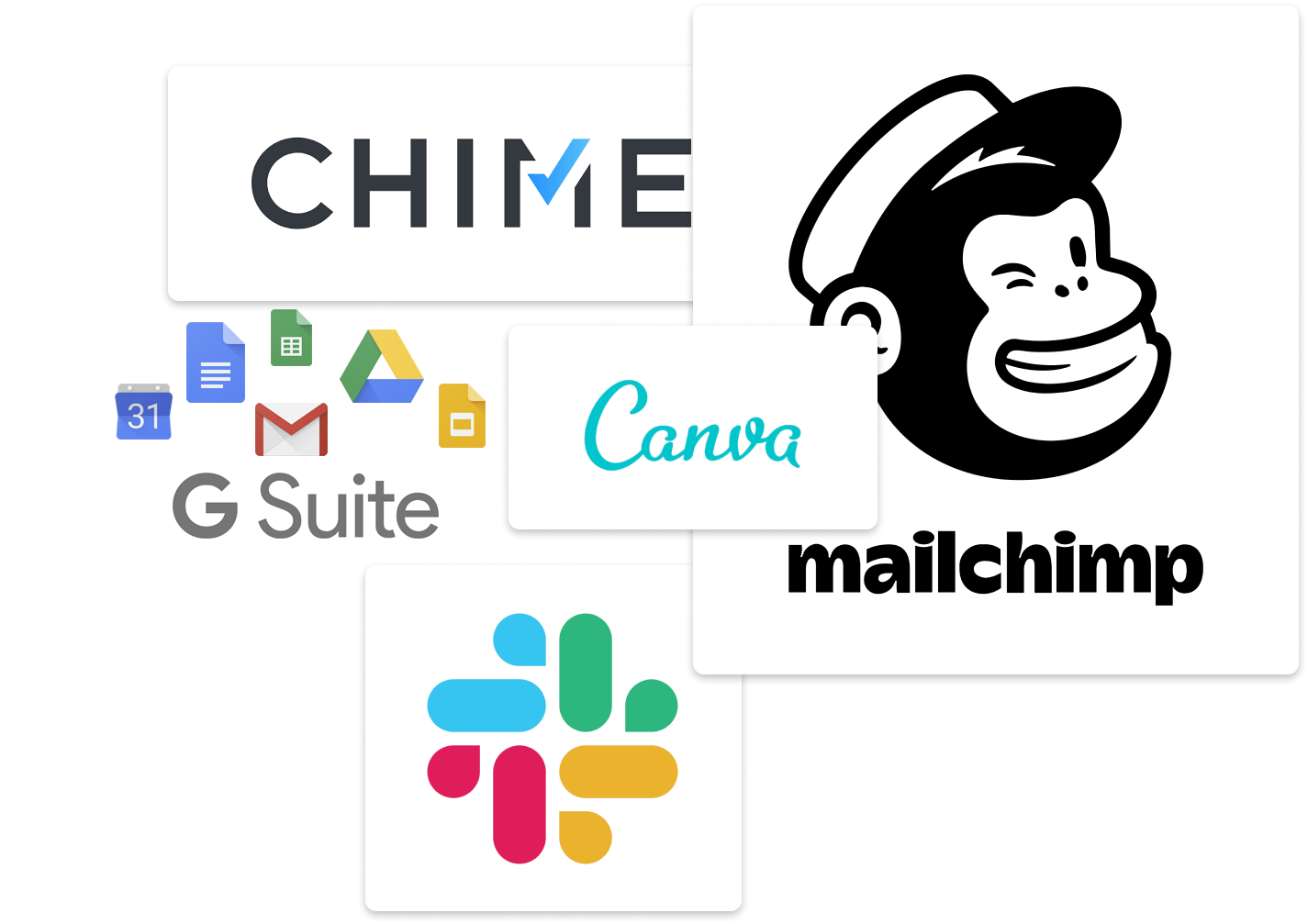
Our Toolbox
See all the tools #TeamFast uses.