
Blog

Four months can transform a real estate business. Learn how to increase production, strengthen client relationships, improve prospecting, and build a distinctive real estate brand before the year ends.

Learn how real estate agents can navigate slow markets, strengthen market knowledge, handle client objections, improve communication, and build lasting momentum.

Why do clients like you but hire another real estate agent? Learn how trust, confidence, communication, and listing strategy influence who wins the business.

Learn how real estate client trust is built through warmth, competence, consistency, and stronger communication that helps agents become the clear choice.
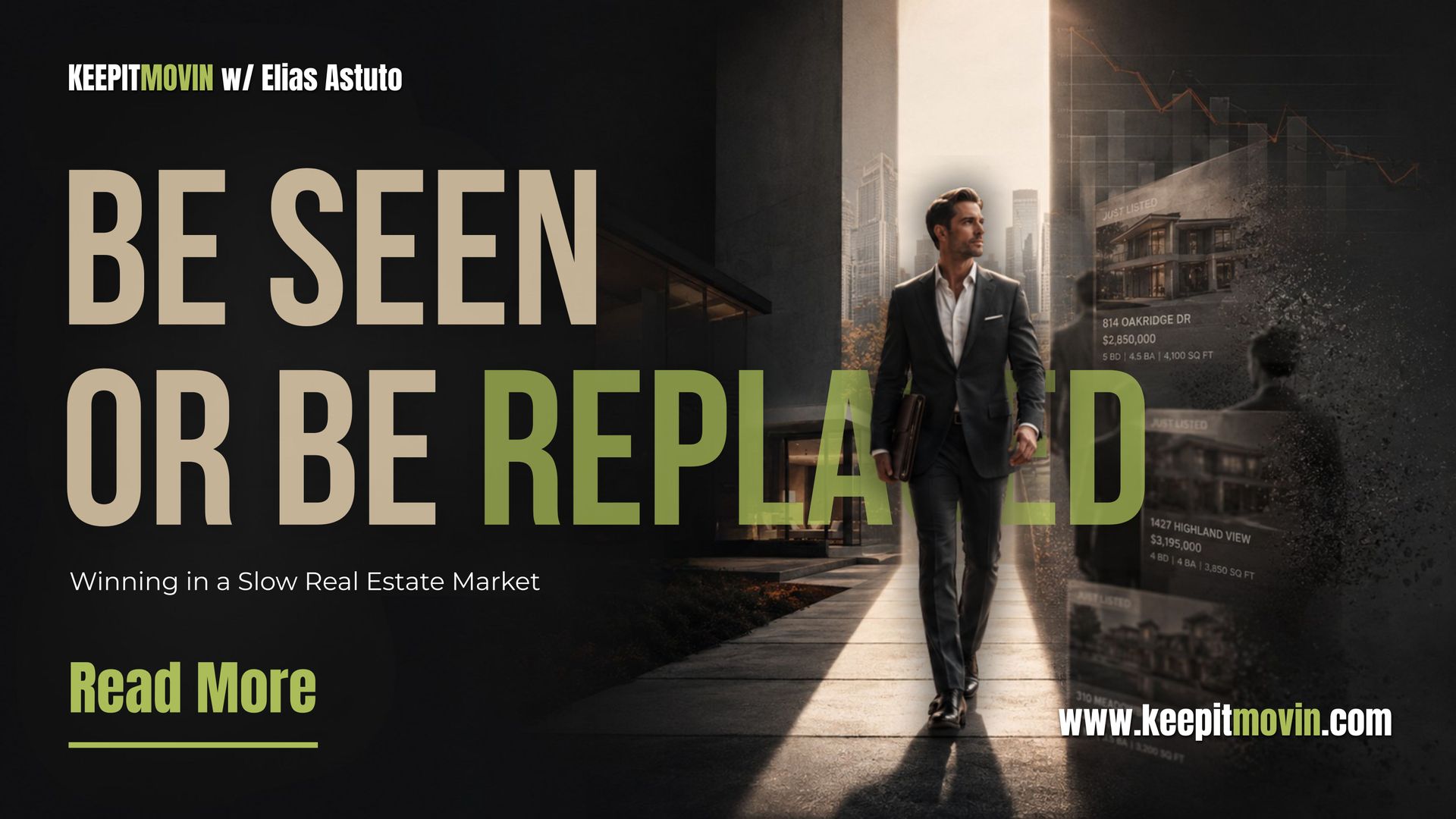
Learn how real estate agents can remain visible, build client trust, strengthen follow-up, and win more business in a slow housing market.
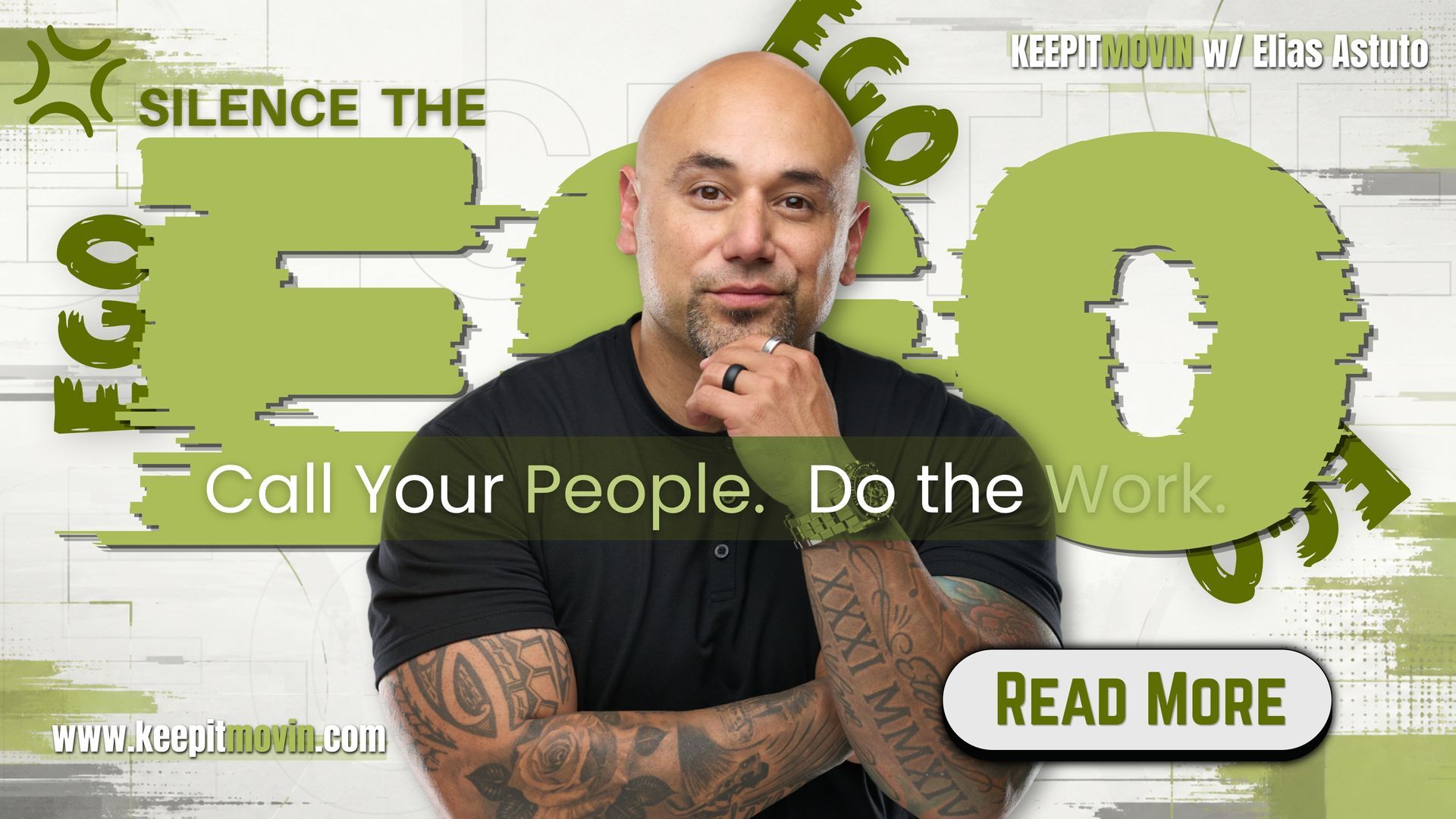
Real estate agents often believe their next breakthrough will come from a new lead source, a better platform, or a more advanced marketing system. Yet the most powerful opportunities are usually much closer than they appear. They are hiding inside the content an agent has been afraid to publish and the relationships that have not received enough attention. The path to real estate agent success is not complicated. It requires the courage to be visible, the discipline to keep creating, and the consistency to stay connected with the people who already know and trust you. Social media can introduce you to a larger audience, but strong client relationships turn attention into appointments, referrals, and repeat business. The agents who grow are not always the loudest or the most polished. They are the ones willing to silence the ego, do the work, and call their people. Why Real Estate Agent Success Starts with Visibility Many real estate agents struggle to post consistently, but the real obstacle is rarely a shortage of ideas. It is often the fear of being judged. Agents worry about how they look on camera, whether their message sounds professional enough, or what people may say if the content does not perform. That fear may feel protective, but it quietly keeps an agent invisible. Every useful video, local market update, property tour, and educational post creates another opportunity for a potential client to discover your expertise. A single piece of content may not transform the business overnight, but consistent visibility builds familiarity. Familiarity builds trust, and trust makes it easier for buyers and sellers to call when the timing is right. The goal is not perfection. The goal is to become clear, helpful, and recognizable. What Makes Real Estate Content Generate Business? Effective real estate social media marketing does more than collect views. It speaks to a specific audience, solves a real problem, and gives people a reason to continue the conversation. Strong content usually includes: A direct hook: Open with a concern, desire, or question your audience already has. Speak to first-time buyers, move-up sellers, investors, or homeowners instead of trying to reach everyone at once. A real person on camera: Audiences connect with presence, not perfection. A clear and confident message is more valuable than a heavily polished video with no personality. Local relevance: Share neighborhood developments, market shifts, new businesses, community events, pricing trends, and property opportunities that matter to the people you serve. Specific value: Explain what the information means and what buyers or sellers should do next. Information becomes useful when it leads to a decision. A clear call to action: Invite viewers to request a market update, ask a question, schedule a consultation, or share the post with someone who needs it. The best content feels timely, useful, and personal. It shows that the agent understands the market and the people living in it. Chase Impact, Not Influence Views, likes, and follower counts can create excitement, but they are not the final measure of a successful real estate content strategy. The better questions are simple: Did the content start a conversation? Did it produce a showing request? Did a homeowner ask for a valuation? Did someone share it with a friend who is planning to move? Ten meaningful conversations can be more valuable than ten thousand passive views. This is why agents should create content with a business purpose. A video should help the right person understand a market, solve a problem, or take a next step. A carousel should earn attention, but it should also make the agent more useful and memorable. Modern tools can help animate a carousel cover, improve an opening frame, or turn a local topic into a short-form video script. Those tools can strengthen the packaging, but they cannot replace the message. Technology can stop the scroll. Trust is what moves the relationship forward. Your Best Content Is Already Happening Around You Real estate agents do not need to invent a new topic every day. The local market is already producing valuable content. Look for: A new residential or commercial development A neighborhood business opening A local event or community announcement A price trend affecting buyers or sellers A common question heard during a showing A financing or affordability concern A property feature gaining attention in the market Turn one timely subject into several pieces of content. It can become a short video, a carousel, an email, a market update, and a conversation starter for past clients. This approach creates consistency without forcing the agent to create from a blank page. Your Database Is Not a List. It Is a Business Asset. Social media helps agents reach new people, but the database is where existing trust lives. Past clients, friends, family members, professional contacts, neighbors, and community relationships already know something about who you are. That makes every genuine conversation more valuable than another cold name added to a list. The National Association of REALTORS® reported in its 2025 Profile of Real Estate Firms that repeat business generated 46 percent of firms’ sales volume, while past-client referrals generated another 44 percent. The figures apply to real estate firms rather than every individual agent, but the message is still powerful: relationships are a major source of sustainable business. Source: National Association of REALTORS® Agents who rely entirely on purchased leads or social media attention may find themselves rebuilding the pipeline every quarter. When a transaction closes without a follow-up plan, the relationship is treated like a completed task instead of the beginning of a long-term business connection. A strong real estate database reduces that constant need to start over. Run a Relationship Audit Every agent should regularly examine the strength of the relationships supporting the business. Start with four areas. 1. Know Your Past Clients How many past clients are in your database? Is their contact information current? Do you know what has changed in their lives since the transaction closed? A database only becomes valuable when the information is accurate and the relationships remain active. 2. Build a Long-Term Follow-Up Plan Client follow-up should not end after the closing photo. Create a structured plan that includes personal calls, market updates, home anniversary messages, event invitations, and useful homeowner information. Automation can support the process, but it should never remove the human connection. 3. Make Meaningful Calls A real conversation carries more weight than another generic message. Call to ask how someone is doing, remember an important detail, and share something relevant to their property or neighborhood. The purpose is not to force a sale. It is to remain present and useful. 4. Ask for Referrals Satisfied clients may be willing to recommend their agent, but they are not always directly asked. A respectful referral request makes the opportunity clear. Let clients know the type of people you can help and invite them to make an introduction when someone in their circle needs real estate guidance. What Meaningful Client Follow-Up Looks Like Strong client relationship marketing feels personal because it is personal. It shows attention, memory, and genuine care. Meaningful touches can include: A phone call that references a specific life or property update A handwritten note sent after an important milestone A home anniversary message or thoughtful gift A useful market update tailored to the client’s neighborhood A small client event that creates genuine face-to-face connection A thank-you message when someone sends a referral The value is not in the size of the gift or the complexity of the campaign. The value is in proving that the relationship still matters after the transaction is complete. Two Moves That Can Change the Business This Week 1. Publish One Useful Piece of Content Choose one local topic. Write a direct hook. Put a real face and voice behind the message. Explain why the subject matters, then invite the audience to respond. Do not wait until the content feels perfect. Publish something useful and learn from the response. 2. Call Twenty People You Already Know Write down twenty names from your sphere and past-client database. Call to reconnect, ask about their lives, and share what you are doing in the market. When appropriate, let them know you are available to help anyone they know who may be considering a move. One action builds visibility. The other strengthens trust. Together, they create a more durable real estate lead generation system. Consistency Creates the Breakthrough Real estate does not always reward effort immediately. A consultation may cancel. A prospect may stop responding. A video may perform poorly. A client may delay a decision for months. These moments can make disciplined work feel invisible, but every useful post, meaningful call, and practiced conversation builds readiness. The next opportunity often arrives without warning. A family member introduces a seller. A past client asks for advice. A local video reaches the right buyer. A conversation that appeared casual becomes an appointment. Agents cannot control the exact moment an opportunity appears, but they can control whether they are prepared, visible, and trusted when it does. Conclusion The business you want may not be hiding in a new platform or an expensive lead source. It may already be inside your phone, your database, your local knowledge, and the content you have been postponing. Silence the ego and publish the message. Do the work even when the response is quiet. Call the people who already know your character and value. Real estate agent success is built when visibility and relationships work together, supported by the discipline to keep moving when results are not immediate. One useful post. One meaningful call. One stronger relationship. Make today count.
Build real estate agent confidence through courageous action, strategic content creation, disciplined practice, and consistent daily repetition.

Build real estate agent confidence through courageous action, strategic content creation, disciplined practice, and consistent daily repetition.
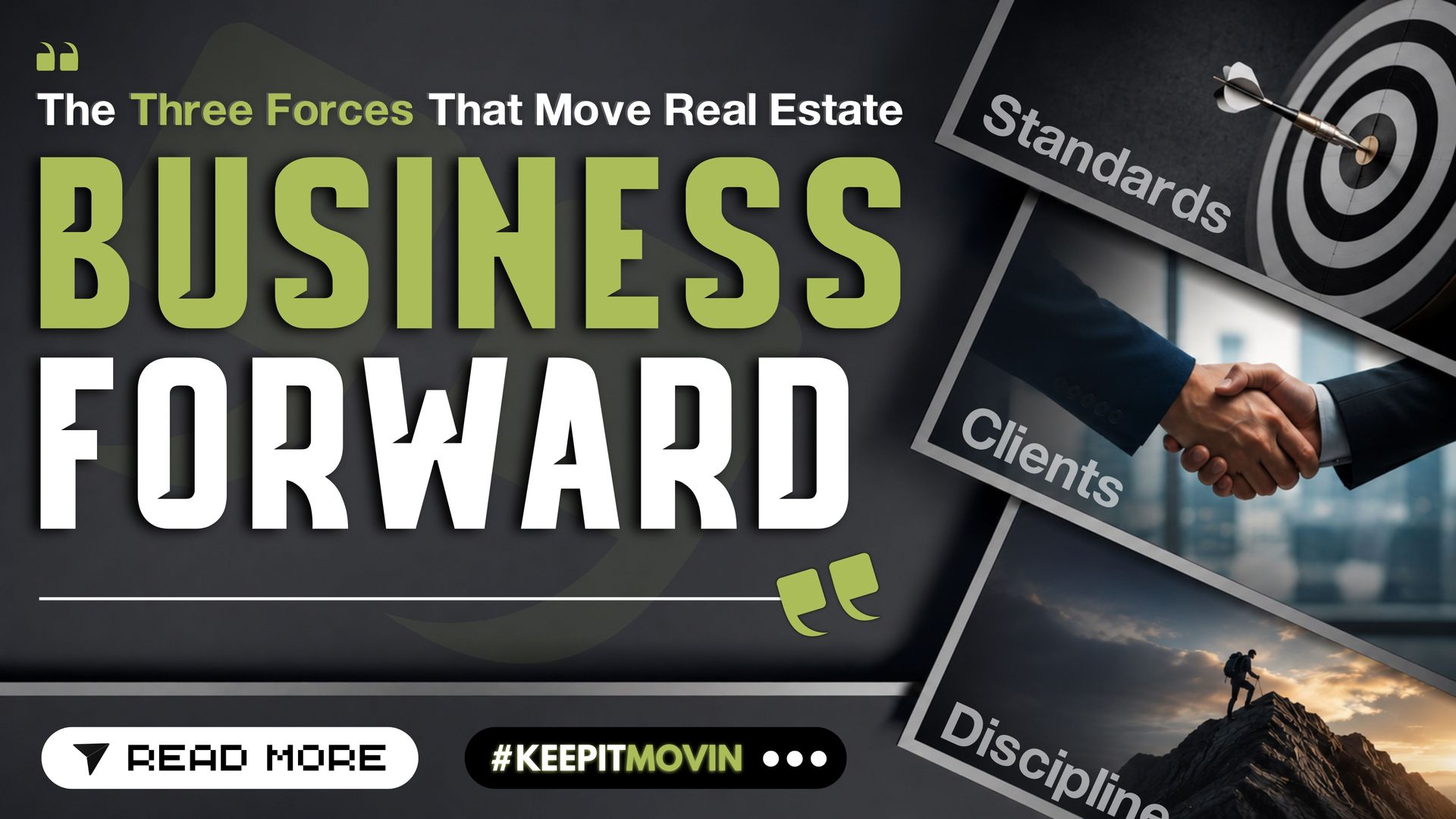
Discover how strong professional standards, better client relationships, and consistent discipline can help real estate professionals build a reliable pipeline and grow a sustainable business.
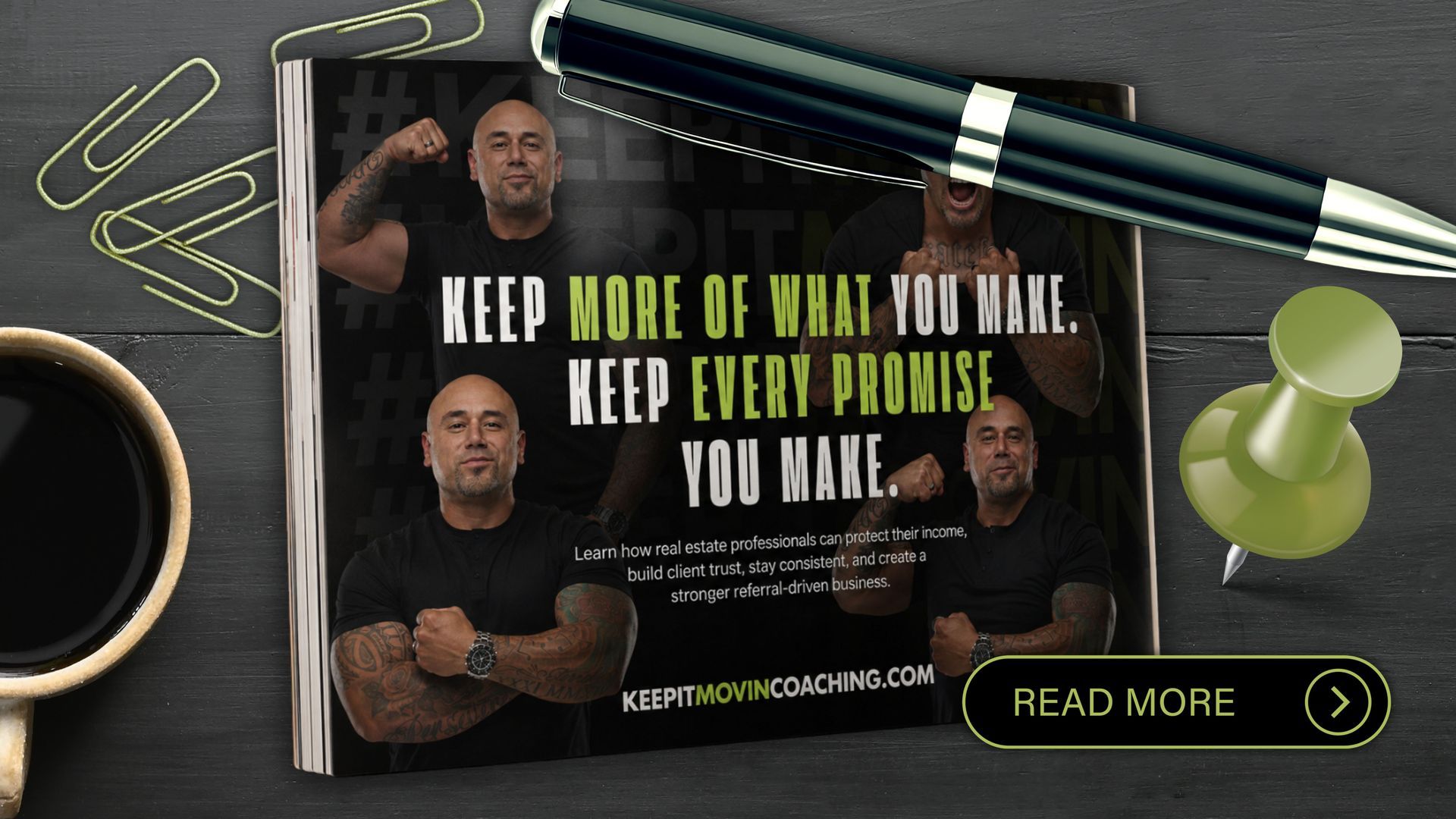
Learn how real estate professionals can protect their income, build client trust, stay consistent, and create a stronger referral-driven business.