The Discipline Behind Sustainable Growth and Long-Term Performance
There comes a point in every real estate career when effort alone stops being the differentiator. The hours are long. The market is loud. Everyone is busy. Yet only a small percentage experience growth that lasts, performance that compounds, and results that do not disappear when conditions change.
The difference is not talent, timing, or motivation. It is discipline, applied consistently over time, long after enthusiasm fades and shortcuts lose their appeal. Sustainable growth is built in the quiet moments, when routines are followed without applause, when decisions are made with intention rather than urgency, and when action is taken even when results are not immediately visible.
Long-term performance is not accidental. It is designed, protected, and reinforced through daily behavior that aligns with a clear standard. This is not about doing more. It is about doing what matters, repeatedly, with precision, restraint, and resolve, until growth becomes predictable and performance becomes inevitable.
Discipline Determines Direction Before Results Appear
Every outcome in real estate is preceded by a decision about how the business will be run, long before that decision shows up in production, revenue, or pipeline strength.
Discipline shows up through:
- How time is protected and structured each day
- How consistently follow-up is executed
- How conversations are led with clarity and conviction
- How standards are maintained regardless of external conditions
When discipline is present, clarity replaces hesitation, and execution becomes intentional rather than reactive. Without it, even a strong effort eventually fragments.
Structure Turns Effort Into Sustainable Performance
Effort without structure eventually leads to inconsistency or burnout. Structure transforms effort into a system that can be repeated, refined, and scaled.
In real estate, structure is reinforced through:
- Organized workflows and repeatable processes
- Intentional scheduling that protects priority activities
- Consistent tracking of leads, conversations, and outcomes
- Regular review of performance indicators to guide decisions
When systems are in place, decisions become clearer, follow-up becomes reliable, and progress becomes measurable rather than emotional.
Momentum Is Built Through Consistency, Not Intensity
Short bursts of effort may create temporary movement, but they rarely produce lasting performance. Momentum that endures is built through consistency, particularly during periods when motivation fades or results feel distant.
Sustainable momentum requires:
- Maintaining routines during slower cycles
- Executing core activities even when outcomes are delayed
- Resisting the urge to reset strategies too quickly
- Trusting consistent action to compound over time
Long-term performance favors those who remain steady when others fluctuate.
Planning Creates Leverage for Long-Term Growth
Growth that lasts is planned before it is executed.
Effective planning involves:
- Reviewing what produced results and what did not
- Identifying behaviors that must change or improve
- Defining non-negotiable priorities for the next phase
- Scheduling actions intentionally rather than reactively
Planning is not about predicting outcomes. It is about controlling inputs. Over time, disciplined inputs create predictable results.
Performance Improves When Behavior Is Measured
What is not measured cannot be refined.
Performance improves when:
- Activity is tracked consistently
- Conversion points are reviewed objectively
- Follow-through is evaluated honestly
- Adjustments are made based on data, not emotion
In real estate, data removes uncertainty and creates clarity. Long-term performance is built by responding to information rather than reacting to feeling.
Delayed Results Are Part of Sustainable Growth
One of the most challenging aspects of real estate is the delay between action and outcome. Effort is often applied long before it is rewarded.
Sustainable growth requires the discipline to:
- Continue executing without immediate validation
- Maintain standards during periods of uncertainty
- Trust the process while results are forming
- Recognize delayed returns as part of long-term success
Delayed results are not a signal to stop. They are part of the process that strengthens long-term performance.
Sustainable Growth Requires Visible Commitment
Progress is rarely clean or linear. It requires repeated effort, course correction, and the willingness to stay engaged through discomfort.
Visible commitment includes:
- Showing up consistently regardless of conditions
- Applying fundamentals relentlessly
- Allowing experience to sharpen execution over time
- Choosing progress over perfection
Growth is earned through participation, not avoidance.
Summary
Sustainable growth in real estate is not built on intensity, luck, or momentary bursts of effort. It is built on discipline that shows up daily, systems that remove guesswork, and execution that continues long after motivation has worn off. Long-term performance is earned by those who decide in advance how they will operate, how they will respond under pressure, and how they will continue moving forward when progress feels slow.
The market will always change. Conditions will always shift. What remains constant is the standard that governs behavior. When discipline leads the way, growth becomes repeatable, performance becomes durable, and success stops being dependent on circumstance.
Join Our COmmunity
Behind every great achievement, there's a community.
Read our story and become part of it.
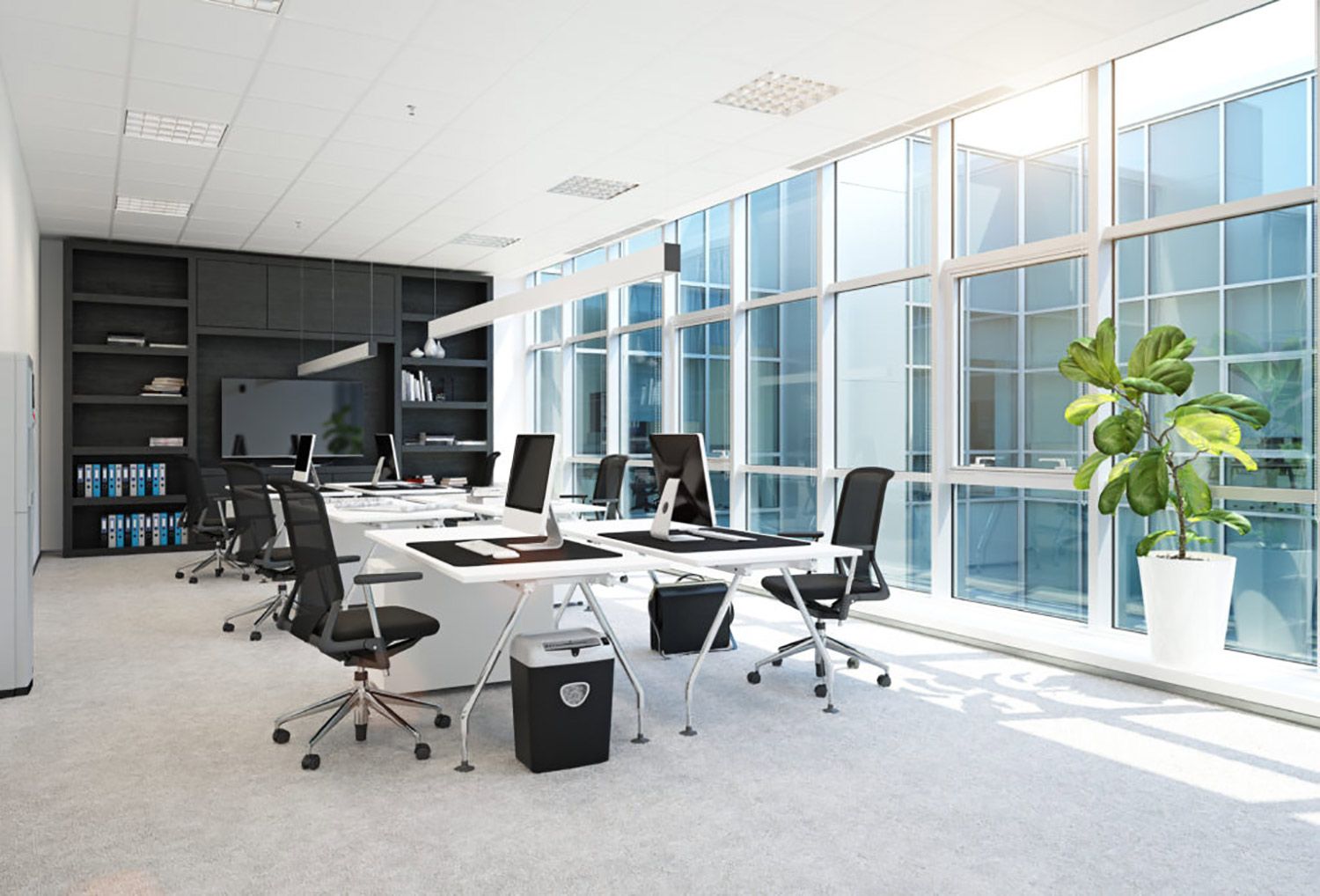
Our Offices
Private Offices • Dedicated Desks • Meeting Rooms
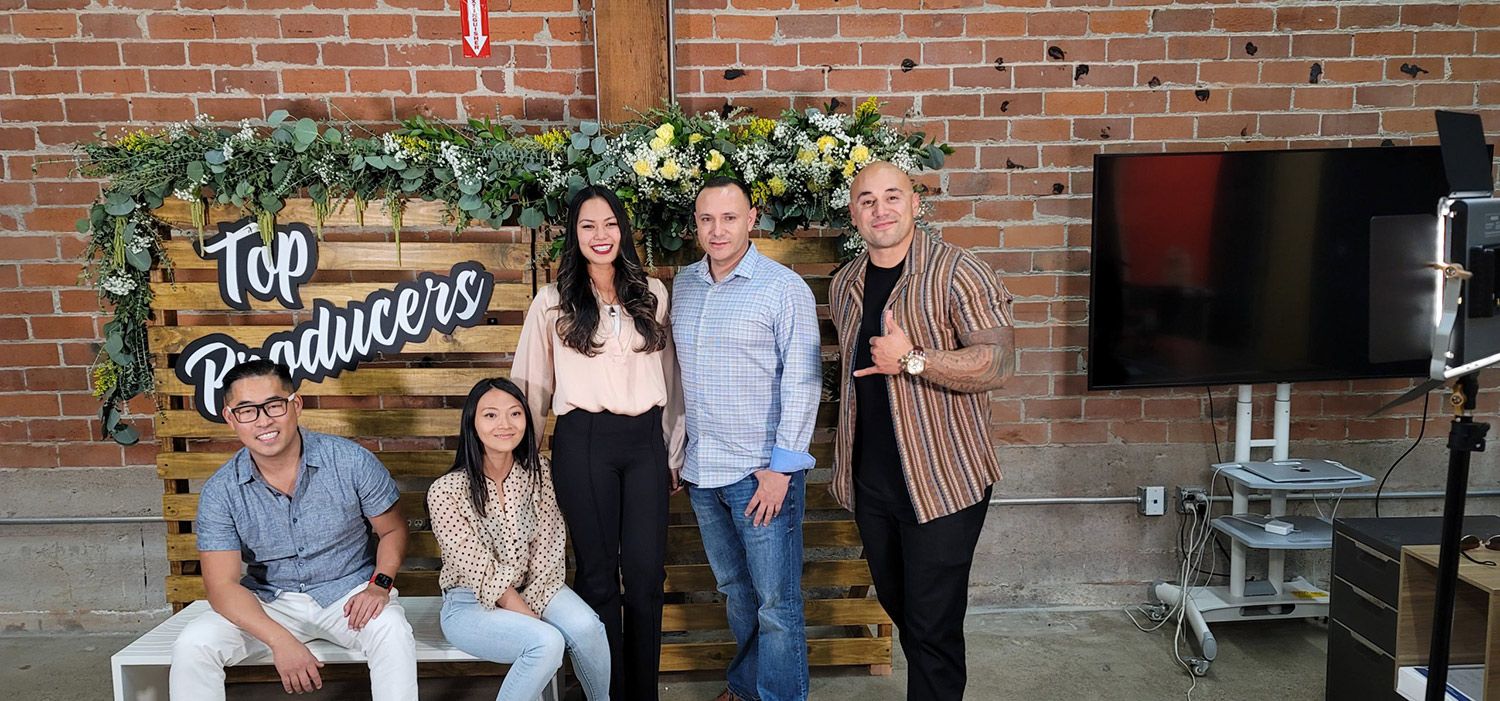
Our Leadership
The Team Dedicated To Your Success

Why EXP?
Learn why #TeamFast choose to partner with eXp Realty.

Our Toolbox
See all the tools #TeamFast uses.